Just Tech Me At
OpenSea NFT Art:
10 Best Laptops, Tablets & Tools for Creators
April 24, 2026
by Just Tech Me At
*As an Amazon Associate, I earn from qualifying purchases.*



.svg.png)

*As an Amazon Associate, I earn from qualifying purchases.*
Follow us on social media for
freebies and new article releases.
Table of Content
*As an Amazon Associate, I earn from qualifying purchases.*
Spotify
Introduction
Creating NFTs that stand out on OpenSea requires more than artistic talent—it demands hardware that can keep up with the full creative pipeline. From high-resolution 2D illustrations and complex 3D renders to real-time animation previews and on-chain deployment, every stage of the NFT workflow places specific demands on your equipment. The wrong setup means dropped frames, sluggish brush strokes, and hours wasted waiting for renders that should take minutes.
The market for creator-focused hardware has matured significantly. Laptops now ship with chips purpose-built for creative workloads, drawing tablets offer pen precision that rivals traditional media, and peripheral accessories have caught up with the needs of crypto-native artists who split their time between design tools and blockchain interfaces. Yet with so many options available, choosing the right combination can feel overwhelming—especially when your budget has to stretch across multiple categories.
This guide cuts through the noise. We evaluated laptops, pen tablets, monitors, storage, and input devices specifically through the lens of NFT creation and OpenSea management. Every product was selected based on current retail availability, real-world creative performance, color accuracy, and compatibility with the tools NFT artists actually use—Photoshop, Procreate, Blender, Illustrator, and the browser-based workflows that tie everything together.
Whether you're building a full desktop studio, assembling a portable minting kit, or upgrading a single weak link in your current setup, the ten picks below cover every price tier and use case. Each entry includes a "best for" summary, key specs, and honest pros and cons.
How We Selected These Products
This guide is written from a creator–researcher perspective and focuses on what actually matters for NFT workflows on OpenSea: drawing/painting performance, 3D and animation capability, color accuracy, storage, and overall stability. Products were chosen based on:
Below, each product includes a "best for" statement, a short description, key features, pros, and cons. Click to view each product on Amazon.com.
For most NFT artists, a capable laptop is the main hub for editing, compositing, smart-contract preparation, marketplace management, and OpenSea workflows. The right machine should give you enough CPU power, GPU support, RAM, storage, and display quality to handle high-resolution artwork, layered files, 3D scenes, animation previews, and NFT listing tasks without slowing down your creative process.
1. Apple MacBook Pro 16‑inch (M5 Pro)
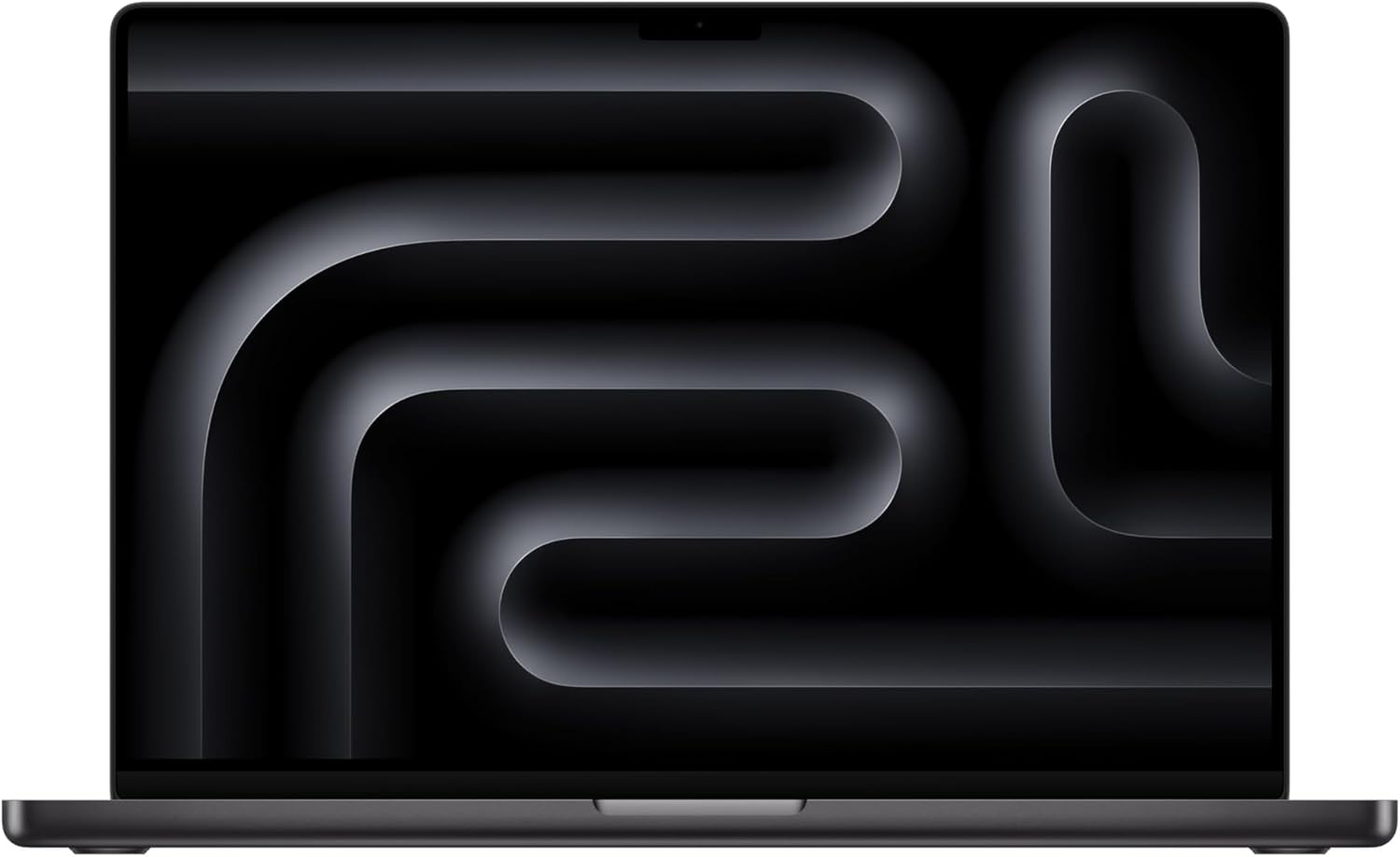
The 16-inch MacBook Pro with Apple’s M5 Pro chip is a premium creative workstation for NFT artists who need serious performance in one portable machine. It is well suited for large Photoshop and Illustrator files, Blender scenes, video edits, AI-assisted creative tools, browser-based marketplace workflows, and smart-contract project management.
For OpenSea creators, the biggest advantage is that the MacBook Pro can support the full creative pipeline: sketching and editing artwork, preparing collection assets, managing metadata, previewing high-resolution visuals, working with wallets, and coordinating listing tasks in a browser. The Liquid Retina XDR display also helps with color-sensitive NFT art where contrast, brightness, and detail matter.
Key Features
✅ Pros
❌ Cons
2. Razer Blade 15 Gaming Laptop (RTX 4070)

The Razer Blade 15 is a compact Windows performance laptop with NVIDIA GeForce RTX graphics, making it a strong choice for NFT artists who create 3D scenes, animated collectibles, game-style assets, or metaverse-inspired artwork. It can also support demanding creative apps where GPU acceleration matters.
This laptop is especially useful for creators who want one machine for NFT art, gaming, VR/AR experimentation, Blender projects, and marketplace management. Its slim design gives it a more polished creator-workstation feel than many bulkier gaming laptops.
Key Features
✅ Pros
❌ Cons
3. ASUS Vivobook Pro 16X OLED Laptop

The ASUS Vivobook Pro 16X OLED is a creator-focused Windows laptop with a 16-inch 16:10 OLED display, Intel Core i9-13980HX processor, NVIDIA GeForce RTX 4070 laptop GPU, 16GB RAM, and 1TB SSD. That combination makes it a strong choice for NFT artists who want vivid color, fast rendering support, and enough power for digital illustration, 3D previews, video content, and marketplace management.
For OpenSea creators, the OLED display is especially useful for reviewing bold color palettes, dark backgrounds, glowing effects, and highly stylized digital artwork. The RTX 4070 GPU also makes this a better fit for creators working with Blender, animation previews, AI-assisted art tools, or heavier multi-layer projects than a basic productivity laptop.
Key Features
✅ Pros
❌ Cons
A high-quality drawing tablet gives NFT artists the pressure control, pen precision, and natural drawing feel that a mouse or trackpad cannot match. For NFT creators, this can mean cleaner linework, better brush dynamics, smoother painting, and more control over character art, generative collection traits, and high-resolution digital pieces.
4. Wacom Intuos Pro Medium

The Wacom Intuos Pro Medium is a professional non-screen drawing tablet for artists who want precise pen control while working from a laptop or desktop monitor. It is useful for NFT creators who prefer a clean desk setup, customizable shortcuts, and responsive pen performance without needing a built-in display.
For NFT workflows, it works especially well for digital painting, sketching collection traits, retouching artwork, editing masks, and navigating creative apps. It does take some adjustment because you draw on the tablet while looking at your monitor, but many professional artists prefer this style for comfort and control.
Key Features
✅ Pros
❌ Cons
5. XP-Pen Artist 15.6 Pro

The XP-Pen Artist 15.6 Pro is a budget-friendly pen display that lets creators draw directly on the screen while connected to a laptop or desktop. It is a strong option for NFT artists who want a more natural visual workflow without paying for a high-end professional display tablet.
This display tablet is especially useful for character art, concept sketches, collection traits, linework, and digital painting. It gives creators a larger drawing area than many tablets while still keeping the price more accessible.
Key Features
✅ Pros
❌ Cons
- Full HD resolution is useful but not as sharp as 2K or 4K displays.
- Requires connection to a computer.
- Cables can add clutter to smaller workspaces.
6. Huion Kamvas Pro 24 (4K)

The Huion Kamvas Pro 24 (4K) gives NFT artists a large, high-resolution pen display for detailed digital artwork. It is ideal for studio-based creators who work on complex scenes, large character pieces, generative art assets, or high-detail illustrations that benefit from a bigger canvas.
Paired with a powerful laptop or desktop, it can become the centerpiece of an NFT art workstation. The larger screen makes it easier to manage tool palettes, reference images, layers, and detailed brushwork without feeling cramped.
Key Features
✅ Pros
❌ Cons
7. Apple iPad Pro 13‑inch (M5) + Apple Pencil Pro

The Apple iPad Pro 13-inch with M5 chip is a premium portable art studio for NFT creators who prefer drawing directly on a tablet. Paired with Apple Pencil Pro, it is excellent for sketching collection concepts, painting character art, creating layered illustrations, drafting visual traits, and preparing assets that can later be finalized on a desktop or uploaded into an OpenSea workflow.
Although a full laptop or desktop is still better for heavy smart-contract development, batch metadata handling, and complex file management, the iPad Pro M5 is one of the strongest mobile devices for the visual side of NFT creation. It gives artists a fast, responsive, color-rich canvas that works especially well for concept-to-final-art workflows.
Key Features
✅ Pros
❌ Cons
Beyond core computing and drawing tools, a few pieces of gear can improve the day-to-day NFT workflow: faster backups, smoother OpenSea admin, larger previews, better color review, and more comfortable navigation during long creative sessions.
8. Samsung T7 Shield Portable SSD (1–4 TB)

The Samsung T7 Shield is a rugged portable SSD that helps NFT creators protect and transport their project files. It is especially useful when working with large layered files, exported collection assets, metadata folders, animation frames, and multiple backup versions of an NFT project.
For creators working across a laptop, desktop, iPad, or shared workspace, fast external storage helps keep files organized and portable. It can also serve as a local backup before uploading final assets to a marketplace, decentralized storage service, or long-term archive.
Key Features
✅ Pros
❌ Cons
9. BenQ PD2705U 27" 4K Monitor

The BenQ PD2705U is a 27-inch 4K design monitor that gives NFT artists more room to work, preview, and manage their creative pipeline. It is especially helpful when using a laptop as the main computer but needing a larger display for detailed artwork, editing panels, timelines, browser windows, and OpenSea listings.
A dedicated 4K monitor can make NFT production feel more organized by giving you space for art software on one side and references, metadata, marketplace pages, or wallet tools on the other. This can be especially useful during collection preparation and final review.
Key Features
✅ Pros
❌ Cons
10. Logitech MX Master 3S Wireless Mouse

While a pen tablet is ideal for drawing, a high-precision mouse is still extremely useful for everyday NFT production tasks. The Logitech MX Master 3S is well suited for navigating layers, timelines, folders, browser tabs, metadata spreadsheets, and OpenSea listing pages.
For NFT creators, the value is workflow comfort. Customizable buttons and smooth scrolling can reduce repetitive clicks when switching between art software, file folders, listing dashboards, and marketplace pages.
Key Features
✅ Pros
❌ Cons
Putting Your NFT Creation Setup Together
For a smooth OpenSea-focused workflow, consider building around one of these combinations:
Whichever path you choose, prioritize enough RAM (16 GB minimum, 32 GB ideal for heavy 3D), fast SSD storage, and a color-accurate display. With these foundations in place, you'll spend more time creating and less time fighting your tools—and your NFTs on OpenSea will reflect it.
Conclusion
The NFT landscape on OpenSea rewards creators who invest in the right tools as much as the right concepts. Whether you're painting high-resolution character art, rendering generative 3D compositions, or managing a growing collection of listed assets, your hardware directly shapes both the quality of your work and the speed of your workflow. The ten products in this guide were chosen to address every link in that chain—from the initial sketch to the final listing.
No single device covers every need, which is why thinking in terms of complementary setups matters. A powerful laptop handles the heavy computation, a pen tablet unlocks the precision and expressiveness that define standout NFT art, and supporting peripherals—fast storage, a calibrated monitor, an ergonomic mouse—eliminate the friction that accumulates across long creative sessions. The recommended combos above give you three proven starting points, but the modularity of these picks means you can mix and match to fit your specific medium, budget, and workspace.
It's also worth noting that the hardware landscape continues to shift in favor of creators. Chips are getting more efficient, pen displays are becoming more affordable at higher resolutions, and portable devices like the iPad Pro are closing the gap with desktop workflows. Investing in a solid foundation now doesn't lock you in—it gives you a reliable base to build on as both the technology and the OpenSea marketplace continue to evolve.
Start with the category where your current setup is weakest, upgrade deliberately, and let the tools disappear into the background so the art stays in the foreground. Your collectors—and your creative process—will thank you for it.
Available at Amazon.com
Interested in learning more about NFTs, Blockchain, and Smart Contracts?
Click Here!
*As an Amazon Associate I earn from qualifying purchases.*