Just Tech Me At
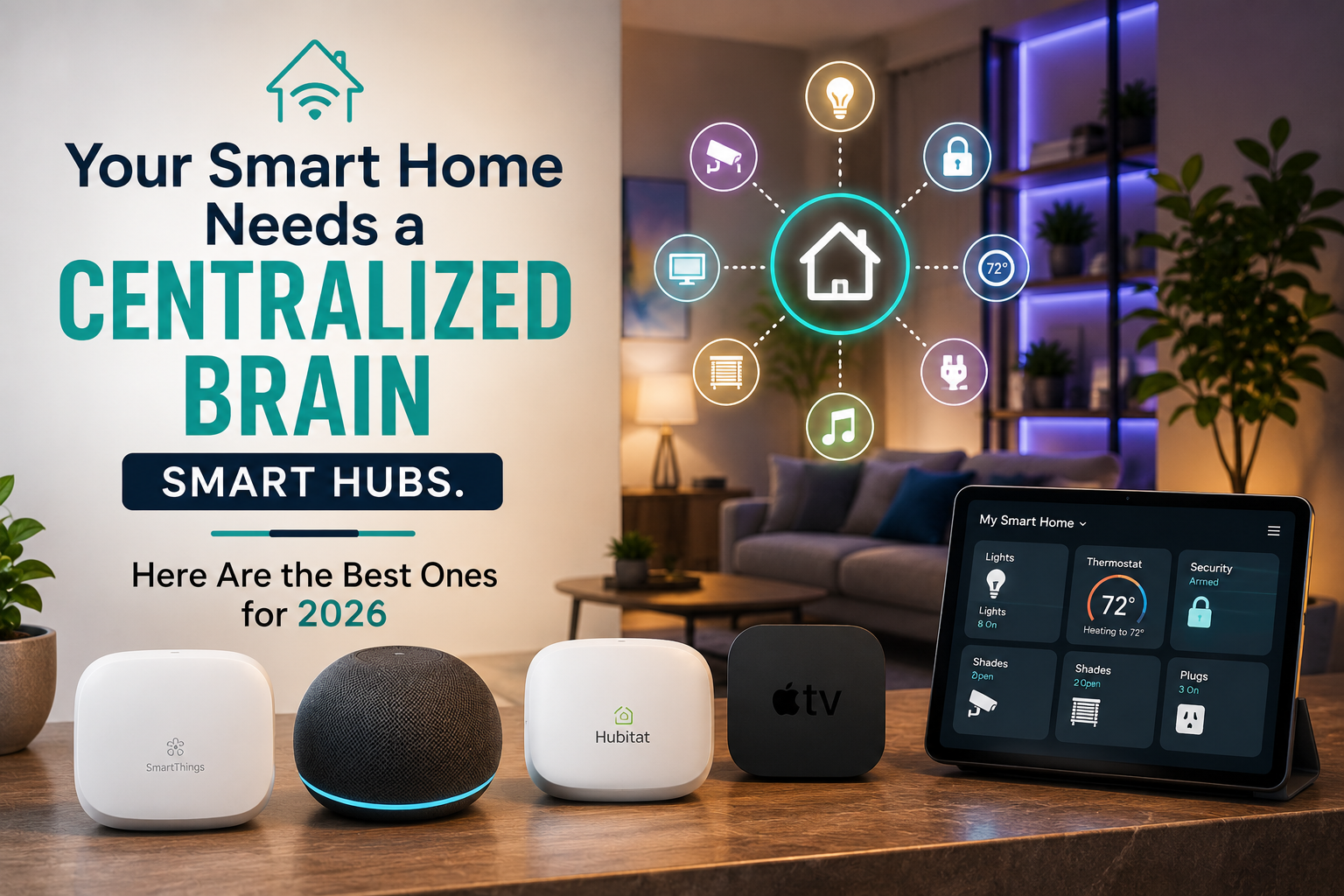
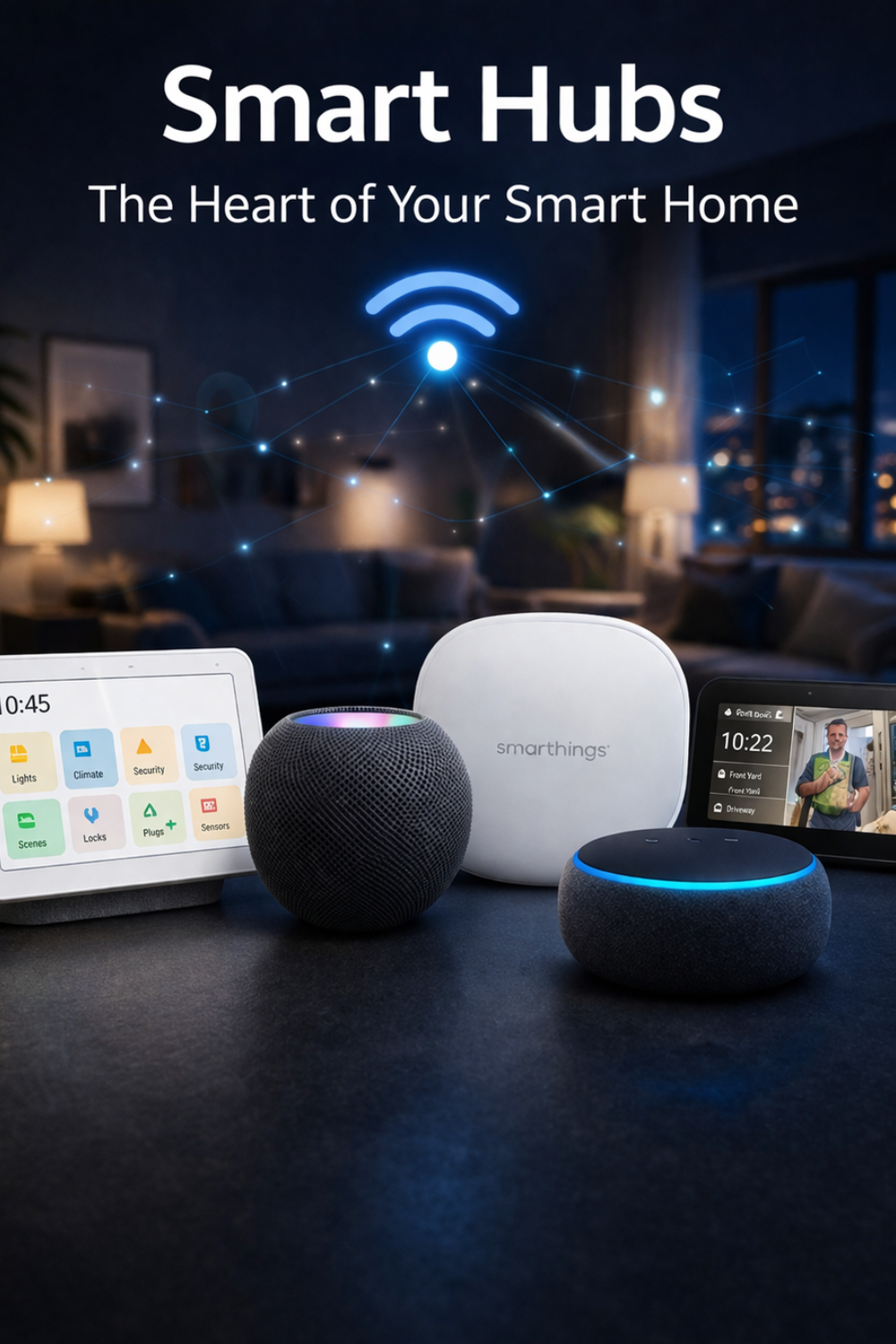
Your Smart Home Needs a Centralized Brain
Smart Hubs, Here Are the Best Ones for 2026
by Just Tech Me At
August 25, 2026
*As an Amazon Associate, I earn from qualifying purchases.*



.svg.png)


Introduction
Your Smart Home Needs a Centralized Brain
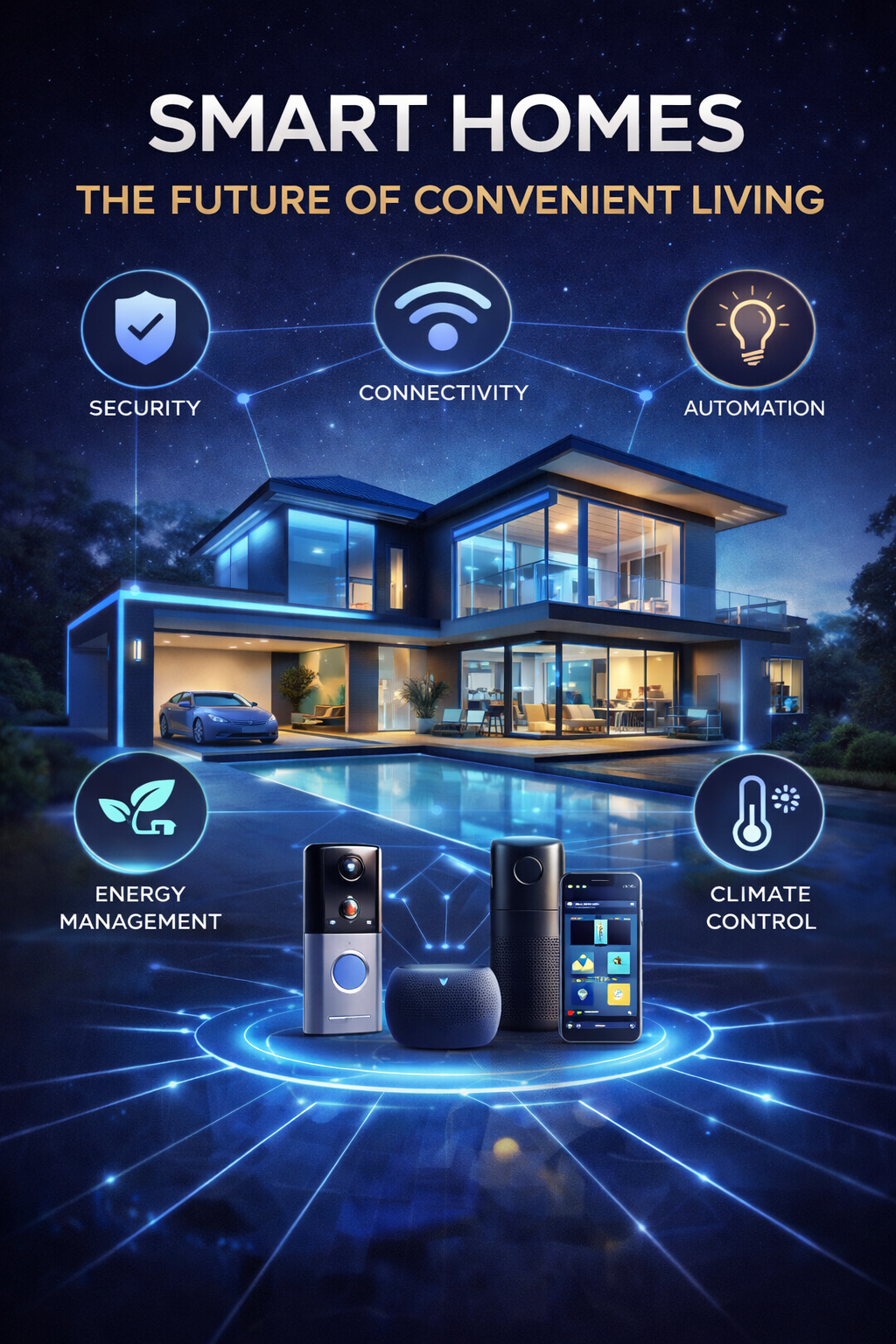
Many people build smart homes one device at a time-adding lights, plugs, cameras, and sensors-only to discover that everything feels disconnected. Automations fail, voice commands lag, and devices from different brands refuse to work together. The result is a “smart” home that feels more chaotic than convenient.
A smart hub acts as the centralized brain that ties everything together. It coordinates your devices, stabilizes automations, and ensures your routines run smoothly across Google Home, Alexa, and Matter. In 2026, smart hubs have become faster, more reliable, and more beginner‑friendly, making them essential for anyone who wants a smart home that actually works.
1. Amazon Echo Hub with customizable control and Alexa+

The Amazon Echo Hub is an 8-inch touch-enabled smart home control panel that doubles as an Alexa device and a multiprotocol hub. It can be wall-mounted or used on a stand and is designed to centralize control of lights, locks, cameras, and routines while acting as a Matter controller, Thread border router, and Zigbee hub.
Key Features
✅ Pros
❌ Cons
2. Aeotec Smart Home Hub, Works as a SmartThings Hub, Z-Wave, Zigbee, Matter Gateway, Compatible with Alexa, Google Assistant
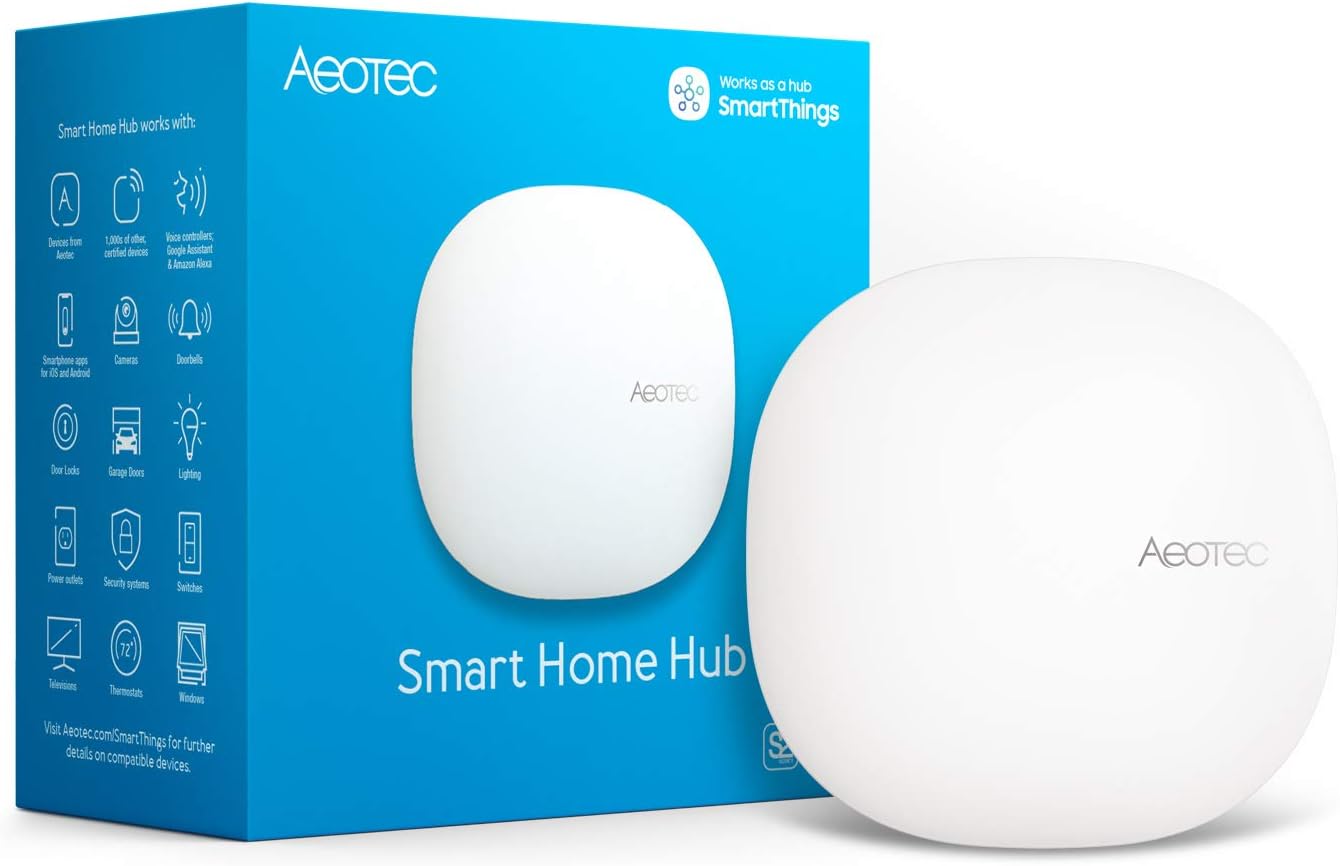
After Samsung stopped manufacturing its own hubs, Aeotec's SmartThings Hub became the official hub hardware for the SmartThings platform. It connects directly to Zigbee and Z‑Wave devices and integrates with Wi‑Fi and cloud services via the SmartThings app, which supports an extensive device library and cross-brand automation.
Key Features
✅ Pros
❌ Cons
3. Home Assistant Green | Smart Home hub with Advanced Automation

Home Assistant Green is a prebuilt appliance dedicated to running the open-source Home Assistant platform. It allows you to keep most automations local, integrate hundreds of brands, and host advanced dashboards. With additional USB sticks or bridges, it can support Zigbee, Z‑Wave, Thread, and Matter, making it a central brain for serious smart homes.
Key Features
✅ Pros
❌ Cons
4. Hubitat Elevation C‑8 Pro Smart Home Hub, Local Control and Automations

The Hubitat Elevation C‑8 Pro is a compact, Ethernet-connected smart home hub focused on running automations locally for fast and reliable performance. It includes Z‑Wave and Zigbee radios and has been updated to act as a Matter controller (with Thread via companion hardware), making it a strong choice for those who want serious automation with minimal internet reliance.
Key Features
✅ Pros
❌ Cons
5. Google Nest Hub Max 10" Smart Display with Google Assistant

The Google Nest Hub Max is a 10-inch smart display with Google Assistant, camera, and stereo speakers. As part of Google's smart home ecosystem, it acts as a Matter controller and Thread border router (via platform updates), allowing supported devices to connect and be controlled through the Google Home app while doubling as a family communication and media device.
Key Features
✅ Pros
❌ Cons
6. SwitchBot Hub 3 (3rd Gen) Smart Home Command Center
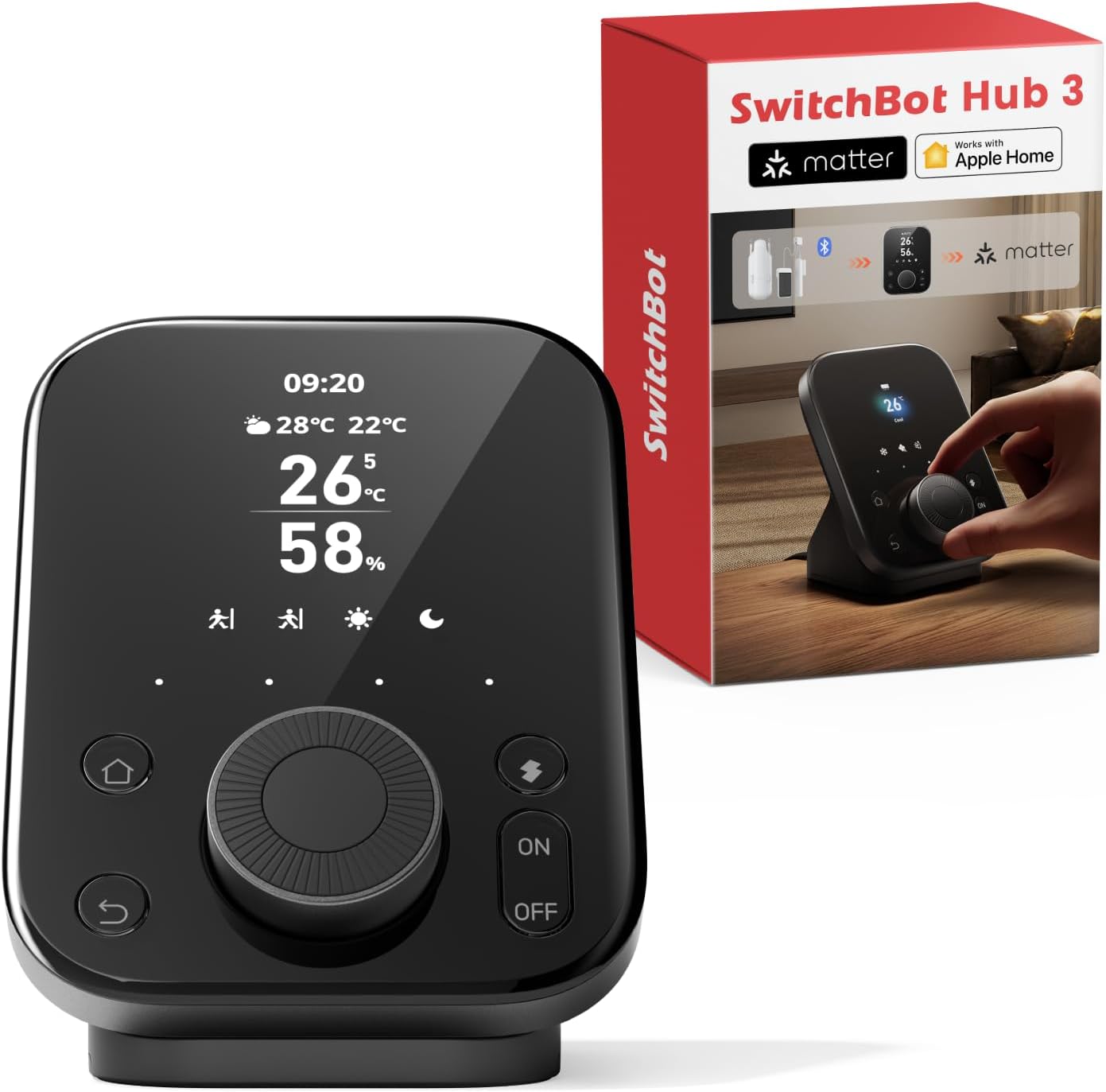
The SwitchBot Hub 3 is a next-generation smart home hub that connects SwitchBot Bluetooth devices to Wi‑Fi and exposes them to Matter-compatible platforms such as Apple Home, Alexa, Google Home, and Home Assistant. It includes an upgraded infrared (IR) blaster with stronger signal output, a high-precision temperature/humidity sensor, and a new Dial Master™ rotary interface for fine control of appliances. It enables control of air conditioners, TVs, lights, and other IR-based devices, while also acting as a Matter bridge for SwitchBot ecosystem devices.
Key Features
✅ Pros
❌ Cons
7. Aqara Hub M3

The Aqara Hub M3 is Aqara's flagship hub designed as a local-centric controller and Matter bridge for its growing range of affordable sensors, switches, and motors. It supports multiple radios (depending on region), IR control, and local automations, while exposing many Aqara devices to other ecosystems like Apple Home, Alexa, and Google Home via Matter.
Key Features
✅ Pros
❌ Cons
How to Choose the Right Smart Hub for Your Home
1. Identify Your Ecosystem
Start by choosing the ecosystem you rely on most-Google Home, Alexa, or a more advanced platform. Your hub should integrate seamlessly with your preferred voice assistant and devices.
2. Look for Matter and Thread Support
Matter and Thread are the new standards for fast, reliable smart home communication. A hub that supports these technologies will give you smoother automations and better long-term compatibility.
3. Decide How Much Control You Want
Some hubs offer simple, beginner-friendly automation, while others provide advanced customization for power users. Choose based on how hands-on you want to be with your smart home.
4. Evaluate Automation Reliability
A good hub should run routines consistently without delays or failures. Look for hubs known for stable performance, especially if you rely on schedules or multi-device automations.
5. Consider Local vs. Cloud Processing
Hubs that process automations locally tend to be faster and more reliable, especially during internet outages. Cloud-based hubs offer convenience but may introduce delays.
6. Think About Future Expansion
Choose a hub that can grow with your smart home. Support for sensors, switches, lighting, security devices, and energy monitoring ensures your hub remains useful as your setup evolves.
Disclaimer
Electronic devices, computers, and smart home products should be installed, configured, and used according to the manufacturer's instructions. Features, compatibility, software updates, and app functions may change over time. Always review the latest product details on the retailer's page before purchasing, and follow all safety guidelines provided by the manufacturer.
Bottom Line
Final Thoughts: A Smart Home That Finally Works Together
Without a centralized hub, even the best smart devices struggle to communicate, respond quickly, or perform consistent automations. A smart hub solves these problems by giving your home a single, reliable point of coordination-your smart home's “brain.”
The best hubs of 2026 offer smoother routines, stronger compatibility, and more dependable performance than ever before. By choosing the right hub for your ecosystem and automation goals, you'll transform your scattered devices into a unified, responsive smart home that feels effortless every day.
Related Articles





Browse Amazon
Shop Now!
*As an Amazon Associate I earn from qualifying purchases.*
More Smart Devices*As an Amazon Associate I earn from qualifying purchases.*
