Just Tech Me At
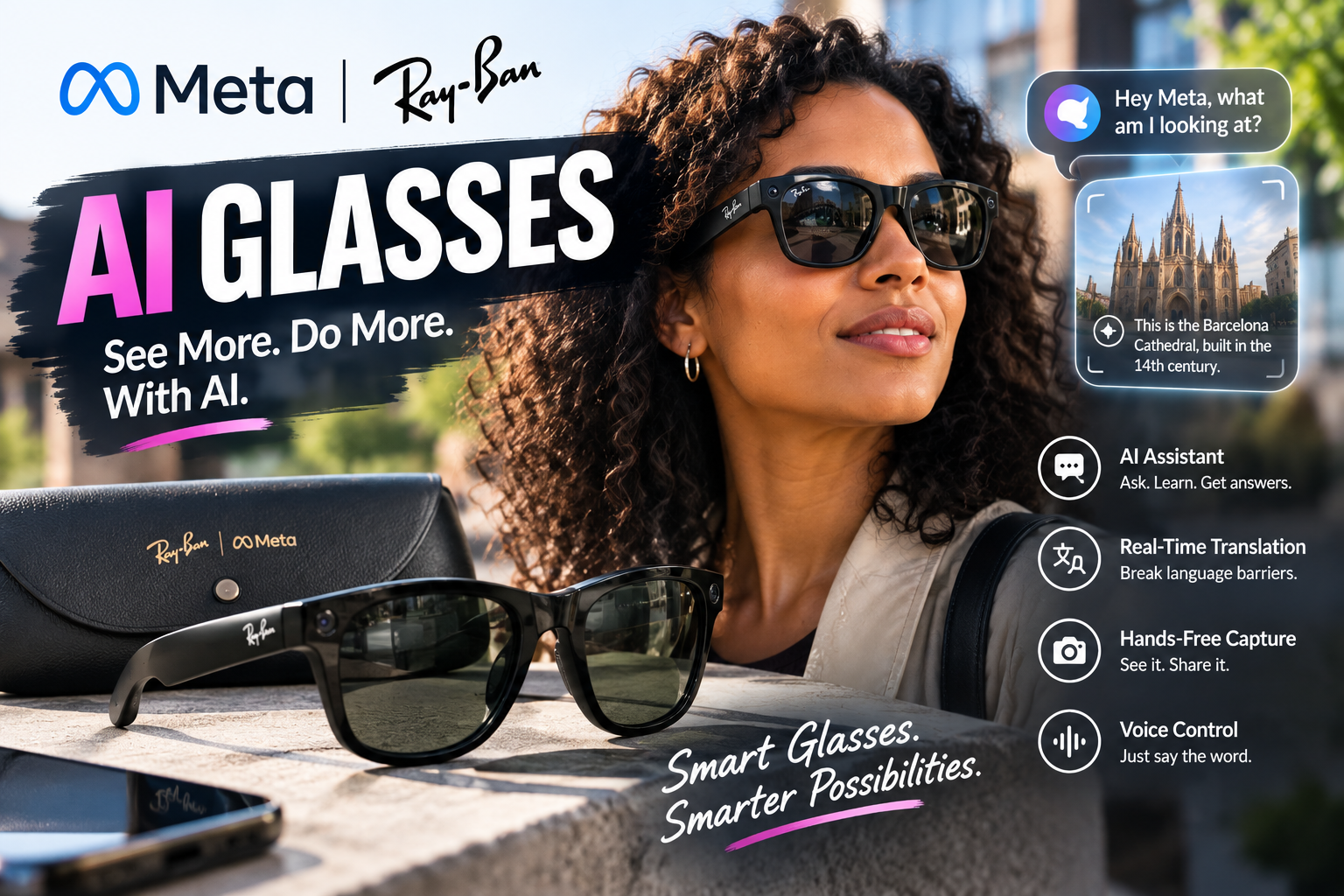
Best AI Glasses of 2026
Meta Ray-Ban AI Glasses Put AI at Your Fingertips
September 5, 2026
by Just Tech Me At
*As an Amazon Associate, I earn from qualifying purchases.*



.svg.png)


Introduction
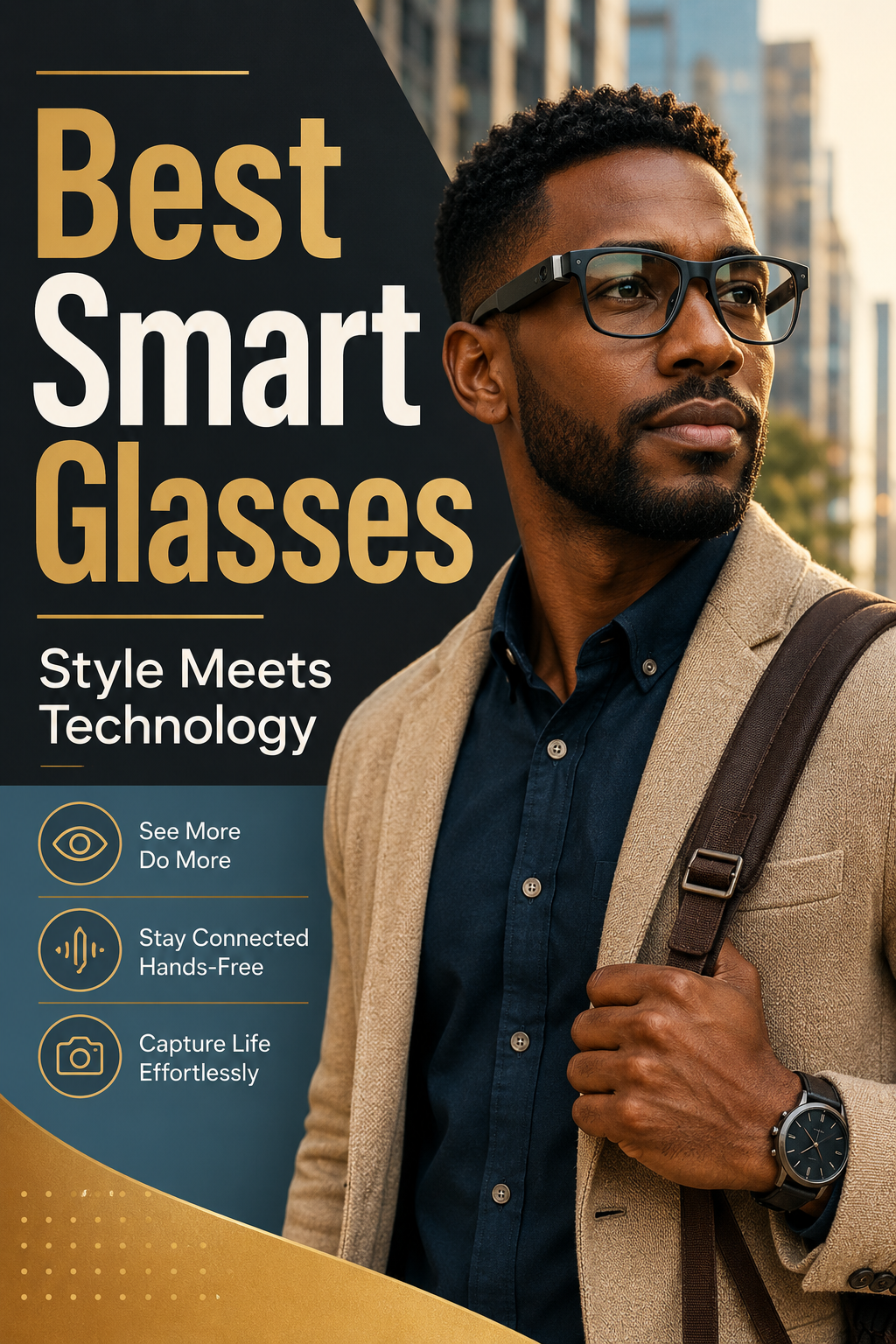
Smart glasses have been around for years, but the newest generation is doing something much more interesting than simply playing music or displaying notifications. AI glasses bring an intelligent assistant into your field of view, allowing you to interact with information without constantly reaching for your phone.
That changes the way you can use wearable technology. Instead of stopping what you're doing to search for an answer, take a photo, translate a conversation, or look up information about something you're seeing, AI glasses can let you accomplish many of those tasks through voice commands and AI-powered features.
The Meta Ray-Ban AI glasses are one of the clearest examples of this shift. They look and feel much more like conventional Ray-Ban eyewear than a traditional piece of high-tech equipment, while adding features such as Meta AI, hands-free photography and video, voice interaction, visual understanding, and real-time translation.
And that's the important distinction in this article: we're not simply looking at glasses that happen to connect to your phone. AI glasses are designed to make artificial intelligence part of the way you interact with the world around you.
In this guide, we'll look at what makes AI glasses different from ordinary smart glasses and examine what the Meta Ray-Ban AI glasses can actually do. If you're looking for a wearable way to access AI without constantly pulling your phone out of your pocket, this is where things get interesting.

Meta Ray-Ban Skyler (Gen 2) Overview
The Meta Ray‑Ban Skyler (Gen 2) Smart Glasses combine classic Ray‑Ban styling with Meta’s upgraded AI hardware, delivering hands‑free assistance, photo/video capture, and real‑time information through voice commands. The Gen 2 platform features improved microphones, enhanced speakers, and a higher‑resolution ultra‑wide camera for more natural POV content. With Meta AI built in, users can ask questions, control music, send messages, and capture moments without ever reaching for their phone.
Key Features
✅ Pros
❌ Cons
Disclaimer
Electronic devices, computers, and smart home products should be installed, configured, and used according to the manufacturer’s instructions. Features, compatibility, software updates, and app functions may change over time. Always review the latest product details on the retailer’s page before purchasing, and follow all safety guidelines provided by the manufacturer.
Bottom Line
The biggest promise of AI glasses isn't simply putting a camera, speakers, or Bluetooth connection into a pair of eyewear. It's about making AI available when you need it without interrupting what you're doing.
The Meta Ray-Ban AI glasses demonstrate why this category is becoming so compelling. They combine the familiar design of everyday eyewear with an AI assistant, voice interaction, hands-free photo and video capture, visual understanding, and translation capabilities. Instead of reaching for your phone every time you want information or assistance, you can interact with AI more naturally while keeping your attention on the world around you.
That also helps explain why AI glasses are more than just another name for smart glasses. Traditional smart glasses can provide useful connected features such as audio, calls, notifications, and camera functions. AI glasses take that foundation further by using artificial intelligence to interpret information, answer questions, recognize what you're seeing, translate languages, and provide contextual assistance.
For anyone who wants wearable technology that feels less like another gadget and more like a personal assistant you can access throughout the day, the Meta Ray-Ban AI glasses are an impressive example of where this technology is heading.
The future of AI may not always be something you pull out of your pocket or sit in front of on a screen. Sometimes, it may simply be the glasses you're already wearing.
Related Articles

































Browse Amazon
Shop Now!
*As an Amazon Associate I earn from qualifying purchases.*
More Smart Devices*As an Amazon Associate I earn from qualifying purchases.*
